You feel dizzy and have a headache. You sense tension in your neck and shoulders. You haven’t been sleeping well lately or feel unwell every day.
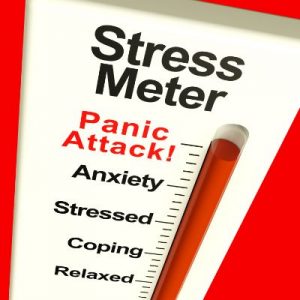
There may be an explanation for what you’re feeling — stress. By better understanding the phenomenon that we call stress or anxiety, you can start to identify what is happening to your body and mind. So let’s take a deeper look into stress and the ways it affects us.
What is stress?
Some stress is part of life. In moderate doses, stress helps us focus our attention on a pending task (“I gotta meet that deadline”) or give us motivation (“I better get this done before…”). However, too much stress can impair cognition, reduce our memory function, trigger anxiety attacks, make it difficult to control your anger, or lead to depression.
Stress can give you physical problems as well as emotional pain. Too much anxiety in your life can manifest in physical symptoms. You might have difficulty sleeping or suddenly start feeling ill and not know the cause. Chronic stress causes serious health problems over time, including cardiac and other issues. While stress degrades your body’s ability to withstand challenges, it also can hurt your ability to function at work, maintain relationships, and impact your family.
Prolonged stress can be deadly to your emotional and physical wellbeing. Being informed about stress is the first step towards reducing its negative impacts on your life.
Different views of stress can help you better understand and manage anxiety
Experts have adopted different ways of looking at stress. To better understand how stress is impacting your life, and what steps you can take to better manage your stress, consider different perspectives that explain stress. Identify which perspective applies to your life.
A neurological view of stress
When we encounter a negative stimulus, our sympathetic nervous system goes into action. We experience this as an elevation of heart rate, temperature, adrenaline, and glucose levels. When the stress is short-term (“watch out for that bus!”), the reaction is short and the body quickly returns to its normal state.
Unfortunately, when stress is prolonged or chronic, our physiological systems can get stuck in a “fight or flight” reaction mode, resulting in insomnia or disturbed sleep, emotional challenges, hypertension, or heart disease.
A psychological view of stress
Stress, from a psychological perspective, is more than just a chemical response to a stimulus. Our individual assessment of the stress will shape how we respond to and cope with the trigger of the stress. In other words, our appraisal of the situation is at the center of stress experience. This perspective can help explain why different people respond differently to the same stressor. And, this perspective provides a way forward. By changing how we appraise our difficulty, we can better manage stress in our life.
Our interpretation of stressful situations is affected by our own skills, abilities, resources, expectations (norms), and experiences. These can be unpacked into a model of stress appraisal.
- Primary appraisal – determine whether the stressor poses a threat.
- Secondary appraisal – an individual evaluation of what coping strategies or resources are available to address the perceived threat.
- Reappraisal – over time, reappraising the nature of the threat and the resources/coping skills available for responding.
Working with a mental health professional you can improve how you appraise and respond to stress in order to reduce the chronic stress that causes so much damage.
A holistic view of stress
Taking a holistic perspective, stress is a result of the physical, mental, emotional, and psycho-spiritual elements in your life that coalesce to create stress. You can adopt practices that will reduce stress. Here are some suggestions:
- Deep breathing, tai chi, yoga, meditation
- Spend time outdoors or in nature.
- Set aside time for yourself to read a book, get a massage, soak in a bubble bath, dance, listen to music, wat
ch a comedy. Choose what helps you relax. - Cultivate healthy lifestyle habits. Eat healthy meals, get regular exercise regularly, and get enough sleep.
- Reduce your screen time!
You won’t make stress disappear from your life. By being mindful of what triggers stress for you and practicing ways to relax, you can better manage stress in your life.
Should I take steps to better manage stress?
The short answer is yes. The consequences of living with chronic stress can be dire for your emotional and physical health. Professional help is often very effective for learning to cope with anxiety.
Additional reading:
https://www.frontiersin.org/articles/10.3389/fnbeh.2018.00127/full
https://www.healingholidays.com/blog/a-holistic-approach-to-stress-management
https://www.ncbi.nlm.nih.gov/pmc/articles/PMC2568977/
https://www.oxfordbibliographies.com/view/document/obo-9780199828340/obo-9780199828340-0203.xml
https://www.mayoclinic.org/healthy-lifestyle/stresAs-management/basics/stress-relief/hlv-20049495
Please share this post!